
When you think you know KAP but realize there’s more
So, I was talking to someone who did Level 2 of the Kundalini Activation Process, and they kept going on about energy shifts and breakthroughs that honestly sounded wild. Naturally, I ended up checking out Kundalini Activation Process (KAP) Training Course Level 3, because after Level 2, curiosity hits hard. Like, you’ve already seen some amazing changes in yourself, but now you’re wondering if Level 3 really takes it to a place that’s worth all that effort.
Diving deeper than ever before
Level 3 is not just a continuation; it’s like opening a door you didn’t even know existed. You’re working with advanced techniques, navigating subtler energy flows, and exploring the connections between mind, body, and deeper consciousness. People often think meditation is all peaceful sitting, but at this level, it’s also about handling intense emotional releases, energy surges, and integrating them into everyday life. It’s like going from walking to hiking up a steep, foggy mountain — thrilling, exhausting, and eye-opening all at once.
Who usually signs up
Most participants at Level 3 are people who have already committed to the journey, seen real shifts, and feel ready for more. Some are deep into personal transformation, some are training to guide others, and some are simply drawn by curiosity — they’ve seen what Level 1 and 2 can do and they want to explore the next level. This isn’t casual meditation; it’s a serious exploration of the self.
The experience itself
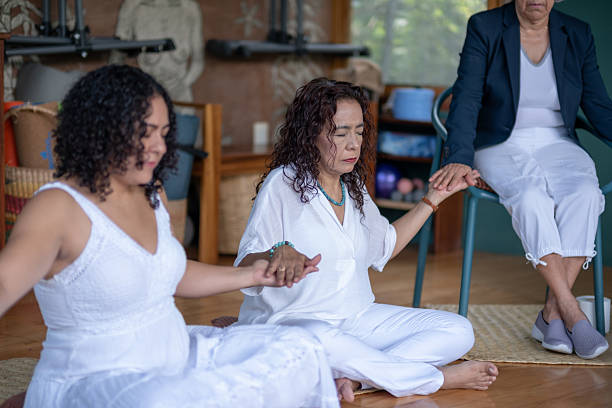
The Level 3 course involves advanced activations, extended meditations, breathwork, mentoring, and reflection exercises. People describe moments of intense clarity, sudden emotional release, and even a heightened awareness of their surroundings and internal patterns. Unlike earlier levels, this one can feel more challenging, and the growth is subtle but profound. You notice things about yourself you didn’t know were there, patterns that have been running your life quietly, and sometimes breakthroughs that leave you speechless.
Learning to guide others with responsibility
At Level 3, teaching is a major component. You don’t just learn for yourself anymore; you learn to safely guide others through experiences that can be intense. Understanding when to step in, when to observe, and how to maintain a safe energetic environment becomes essential. Participants often report that this part of the training feels like gaining a new superpower — empathy combined with practical guidance, which is honestly more intense than any meditation technique alone.
Integration into real life
One thing people notice at Level 3 is how these practices start changing daily life. Emotional regulation improves, stress is easier to handle, and subtle energy awareness becomes second nature. People start noticing patterns, triggers, and reactions they didn’t see before. It’s not instant enlightenment, but small, tangible changes accumulate and shift how you interact with the world.
Emotional and energetic surprises
Expect the unexpected. Level 3 can trigger emotional or energetic experiences you weren’t anticipating. Some people feel bursts of clarity, others feel emotional release, and some experience subtle physical sensations. It’s all part of the process, and proper guidance ensures these experiences are safe and meaningful. It’s like opening a locked drawer you didn’t know existed, and finding some forgotten treasures — sometimes heavy, sometimes beautiful, always transformative.
The power of community
Another thing that hits at Level 3 is the power of the group. You’re surrounded by people at similar stages, sharing reflections, supporting each other, and normalizing the weird and wonderful effects of deep KAP work. The sense of shared journey and accountability is often as valuable as the practices themselves.
Time, patience, and persistence
Level 3 is demanding. It requires consistent effort, presence, and reflection. Growth isn’t linear; some days feel amazing, others feel frustrating. But the key is persistence and patience. Over time, you notice shifts in awareness, emotional balance, and confidence that make the effort worthwhile. It’s like tending a delicate, exotic plant — slow growth, careful attention, but incredibly rewarding.