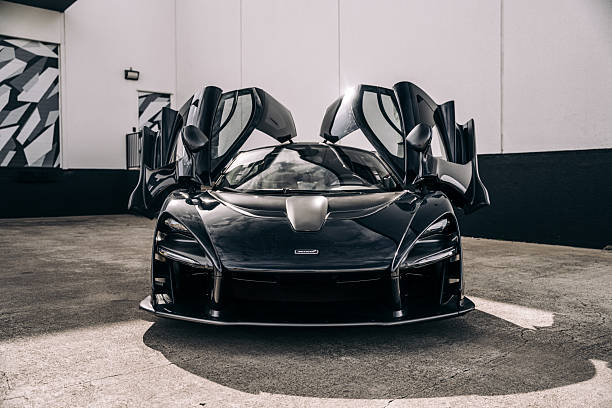

The world of automobiles has always been one of fascination and obsession. From the earliest steam-powered contraptions to today’s sleek electric vehicles, cars have never just been about getting from point A to B—they’re about style, status, and pushing the boundaries of engineering. Among the most extreme expressions of this automotive evolution are hypercars. These machines don’t just drive; they shock, awe, and redefine what’s possible on four wheels.
What Exactly Is a Hypercar?
You might have heard terms like “supercar” and “hypercar” thrown around in car magazines or YouTube videos, and while they might seem similar, there’s a big difference. Supercars are already fast, sexy, and expensive—think Ferrari or Lamborghini—but hypercars are in a league of their own. They represent the peak of automotive technology, with mind-bending speed, jaw-dropping design, and prices that can make even seasoned car collectors gulp.
Hypercars aren’t just about top speed, although that’s usually eye-popping in itself. They’re about innovation, whether that’s in materials, aerodynamics, hybrid technology, or even artificial intelligence systems that help the car perform better than any human could alone. A hypercar isn’t just a vehicle; it’s a rolling statement about what engineering can achieve when money and creativity collide.
Speed That Defies Logic
The first thing most people think of when they hear “hypercar” is speed. And yes, hypercars are incredibly fast. Some can accelerate from 0 to 60 mph in less than 2.5 seconds. Top speeds often exceed 250 mph, sometimes even touching 300 mph. To put that in perspective, most everyday cars feel like a slug by comparison, and even some racetrack legends can’t keep up.
But speed isn’t just about showing off—it’s about engineering precision. At these levels, even the tiniest miscalculation in aerodynamics, weight distribution, or tire grip can turn a record-breaking attempt into disaster. That’s why hypercars use cutting-edge materials like carbon fiber, titanium, and advanced composites, keeping them incredibly light while still maintaining the strength needed to handle extreme forces.
Innovation Beyond the Engine
Hypercars are technological marvels, and often, what makes them exciting is what you don’t see at first glance. Hybrid systems are increasingly common, not just for eco-friendly reasons but because electric motors can provide instantaneous torque that turbocharged engines simply can’t match. Cars like the P1, LaFerrari, and McLaren P1 hybrid use this technology to reach insane speeds while also improving handling and efficiency.
Aerodynamics are another field where hypercars are pushing boundaries. Active aero systems adjust spoilers, vents, and diffusers in real time to maximize downforce or reduce drag depending on speed, road conditions, or even the driver’s intentions. Some hypercars even use AI to monitor driving habits and optimize performance dynamically. Essentially, these cars are part human, part computer, and part spaceship.
The Art and Drama of Design
Let’s be honest—part of the magic of hypercars is how they look. Every curve, angle, and vent is there for a reason, often blending science and artistry. They’re designed to slice through air, cool critical components, and scream style all at once. Designers spend years perfecting lines that look stunning from any angle while also serving functional purposes.
Colors, materials, and interiors are equally extreme. Expect carbon fiber panels, leather trimmed with precision stitching, and cockpit-style dashboards that make you feel like you’re piloting a fighter jet. Hypercars aren’t just about performance; they’re about an experience, one that starts the moment you lay eyes on them.
Hypercars and the Future of Mobility
While hypercars might seem like toys for the ultra-rich, the technology developed for them often trickles down into more mainstream vehicles. Hybrid drivetrains, lightweight materials, advanced aerodynamics, and AI-assisted driving are becoming more common in high-performance cars and eventually even in everyday sedans and SUVs. In many ways, hypercars act as testbeds for the automotive industry, pushing boundaries in ways no ordinary vehicle can.
Electric hypercars are a particularly interesting frontier. Companies like Rimac, Lotus, and even established brands such as Porsche and Ferrari are exploring fully electric hypercars capable of shocking performance levels. Not only do these vehicles challenge traditional internal combustion engines, but they also address environmental concerns while maintaining the thrill that defines the hypercar experience.
Challenges and Controversies
Of course, it’s not all glamour and speed. Hypercars are absurdly expensive—often costing millions of dollars—making them inaccessible to the vast majority of people. Some critics argue that the focus on speed and exclusivity seems a bit out of touch in a world where sustainability and practical transportation are becoming more urgent.
Maintenance is another hurdle. Hypercars are extremely delicate machines; even minor damage can require specialized parts and technicians, often at astronomical costs. And while they push technological boundaries, they also highlight the growing divide between ordinary car owners and a very elite few who can participate in this high-speed playground.
The Thrill of Ownership
Despite the challenges, there’s a certain allure to hypercars that’s hard to resist. Owning one is less about commuting and more about statement, passion, and obsession. It’s about feeling the raw power under your hands, the vibration of a perfectly tuned engine, and the exhilaration of speed that most drivers can only dream about.
Car collectors often describe owning a hypercar as a personal adventure. It’s a blend of art, science, and adrenaline, a tangible symbol of achievement and taste. Even if it spends most of its life in a garage, the mere presence of a hypercar is enough to inspire awe and admiration.
Conclusion
Hypercars are the ultimate expression of automotive ambition, combining speed, innovation, and artistry into machines that are as extreme as they are beautiful. They challenge engineering limits, excite enthusiasts, and push technology forward in ways ordinary cars rarely do. While they remain a symbol of exclusivity and luxury, their influence on the wider automotive world is undeniable.
In the end, hypercars aren’t just about getting somewhere fast—they’re about experiencing the pinnacle of human ingenuity on four wheels. Whether you ever drive one or just admire from afar, they remind us that sometimes, speed and creativity can truly meet in spectacular ways.