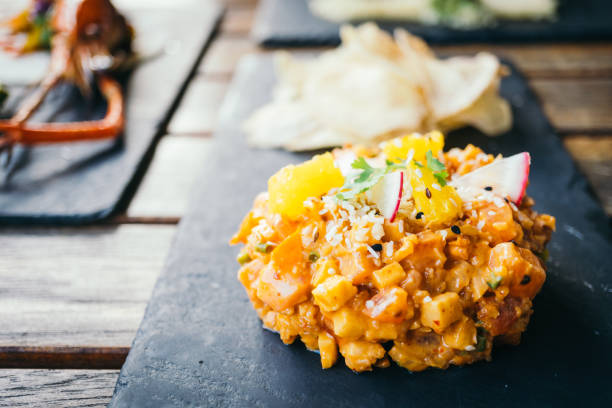

The world of food is constantly evolving, and one of the most exciting trends shaking up kitchens and palates alike is fusion cuisine. Fusion food is all about breaking boundaries, combining flavors, ingredients, and techniques from different culinary traditions to create something entirely new and surprising. Think of it as culinary jazz—mixing rhythms, instruments, and styles into a harmonious, sometimes chaotic, masterpiece. Over the past decade, fusion foods have gone from being a novelty to a bona fide culinary movement, and the ways chefs are experimenting today are redefining what we consider “taste.”
East Meets West: The Classic Crossovers
One of the earliest and most popular forms of fusion is the blending of Eastern and Western cuisines. Take, for example, the sushi burrito. This genius creation takes the delicate flavors of Japanese sushi—fresh fish, sticky rice, seaweed—and wraps them in the size and format of a Mexican burrito. It’s portable, bold, and yet retains that delicate balance of flavors sushi lovers adore.
Similarly, Korean tacos have become a street food sensation, especially in cities like Los Angeles and New York. Spicy Korean barbecue meats paired with soft Mexican tortillas, topped with kimchi, cilantro, and a squeeze of lime—who would’ve thought this combo would work? But somehow, it does. The interplay of sweet, spicy, tangy, and savory flavors creates a taste explosion that lingers long after the first bite.
Sweet and Savory Mashups
Fusion isn’t just about mixing countries; it’s also about daring to combine sweet and savory in ways that challenge the palate. Take the cronut, for instance—a croissant-doughnut hybrid that became a viral sensation the moment it hit New York City bakeries. It’s buttery, flaky, and slightly crispy, with a sugary sweetness that makes it impossible to eat just one. Or think of dishes like chocolate-covered bacon. Initially, it sounds like a culinary crime, but the smoky, salty crunch of bacon paired with rich chocolate is surprisingly addictive.
Even in fine dining, chefs are experimenting with these contrasts. Picture miso caramel sauce drizzled over ice cream, or rosemary-infused honey atop a sharp, aged cheese. These combinations make your taste buds pay attention—they wake up your senses in ways traditional dishes rarely do.
Regional Ingredients in Global Contexts
Another fascinating aspect of fusion food is the creative use of regional ingredients in a global context. For example, Indian spices are now showing up in unexpected places, like turmeric lattes in coffee shops or garam masala-spiced popcorn in cinemas. Mexican mole sauces have appeared on pasta dishes, and Southeast Asian coconut curry flavors are now found in classic French soups. It’s a celebration of global ingredients, allowing diners to taste a little bit of the world in one meal.
One example that caught a lot of attention recently is the ramen burger. Invented in Brooklyn, this dish replaces a regular burger bun with crispy, pan-fried ramen noodles. The burger inside can be classic American beef or something more adventurous like teriyaki-glazed chicken. This dish is a perfect example of how regional textures and flavors can be combined in a completely new format.
Fusion in Drinks and Desserts
Fusion isn’t limited to main courses either. Drinks and desserts have become playgrounds for creative experimentation. Bubble tea, originating from Taiwan, has taken on a global identity. Now, you can find matcha bubble tea with a shot of espresso, or fruit-infused tapioca pearls in cocktails. Bars are exploring the same idea, mixing traditional cocktails with regional flavors—imagine a margarita with yuzu juice or a gin and tonic with Thai basil and lemongrass.
Desserts are especially adventurous. Cheesecake infused with chai spices, ice cream flavors inspired by Japanese mochi, or tiramisu made with matcha green tea instead of coffee—these are the sweet side of fusion, where tradition meets innovation in a way that excites the senses.
Why Fusion Works
Part of the reason fusion foods have captured our attention is psychological. In a world where travel, culture, and information are more accessible than ever, diners are curious, adventurous, and willing to take risks with their taste buds. Fusion food satisfies this curiosity—it’s familiar enough to be comforting but novel enough to feel exciting. There’s also a social element; people love sharing these inventive dishes on social media, turning meals into experiences beyond just eating.
Moreover, fusion encourages chefs to think creatively. They’re no longer constrained by traditional cookbooks or culinary rules—they can experiment with flavors, techniques, and presentations. And when done well, fusion doesn’t just mix cuisines; it elevates them, creating a synergy that is greater than the sum of its parts.
Challenges and Criticism
Of course, fusion food isn’t without controversy. Some critics argue that it can feel gimmicky or disrespectful to traditional cuisines if done carelessly. A poorly executed fusion dish can be jarring or confusing, rather than delightful. The key is balance—honoring the original flavors while innovating thoughtfully. Chefs who succeed often have a deep understanding of multiple cuisines, allowing them to create something that feels both authentic and new.
The Future of Fusion
Looking ahead, fusion food seems poised to grow even more experimental. As plant-based diets, molecular gastronomy, and global ingredient availability continue to rise, we can expect to see even bolder combinations. Think fermented foods from one culture meeting classic desserts from another, or street food dishes elevated with haute cuisine techniques. The possibilities are virtually limitless.
In the end, fusion food is more than just a trend—it’s a reflection of our increasingly connected world. It challenges our palates, encourages culinary creativity, and brings people together through shared, unforgettable taste experiences. Whether it’s a sushi burrito on a busy street corner or a delicate dessert infused with exotic spices, fusion food is proving that when it comes to flavor, boundaries are meant to be crossed.
So next time you sit down to eat, don’t be afraid to explore. Try that kimchi quesadilla or that lavender-infused latte. You might just discover a taste you never knew existed—and that’s exactly what fusion food is all about.