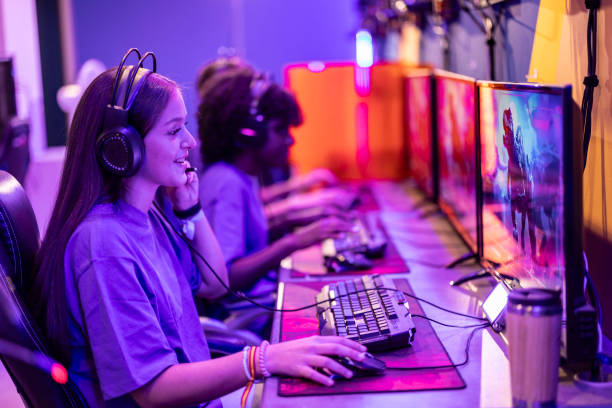

In today’s world, gaming has gone way beyond being a simple pastime. What used to be considered a niche hobby for kids or teens is now a global phenomenon that influences culture, technology, and even social interaction. Gaming isn’t just about pressing buttons on a controller anymore; it’s a lifestyle, a form of art, and a platform for connecting millions of people around the world.
The Rise of Gaming Communities
One of the most interesting aspects of modern gaming is the communities it creates. Online platforms like Twitch, Discord, and Steam allow players to interact in real time, sharing tips, experiences, and even forming lasting friendships. For many, these communities are more than just spaces to talk about games—they’re places to feel connected to something bigger. Esports tournaments, for instance, draw audiences that rival traditional sports events, and fans cheer for teams like they would in football or basketball.
These communities often foster creativity as well. Players create fan art, memes, mods, and even stories based on their favorite games. Some indie games have gained massive popularity purely because of the communities that supported them. It’s fascinating how games have become a social glue that brings people together across continents.
Gaming as an Art Form
It’s easy to overlook the artistic value of video games because we often focus on gameplay or competition. But modern games are masterpieces of storytelling, design, and sound. Titles like The Last of Us, Hollow Knight, or Cyberpunk 2077 are examples of games that merge narrative depth with visual beauty. Every character design, soundtrack, and environment is carefully crafted to immerse the player in a fully realized world.
In fact, some argue that gaming is the ultimate interactive art form. Unlike films or books, games allow players to make choices that affect the story. This level of interactivity creates a personal connection to the narrative that no other medium can replicate.
Educational and Cognitive Benefits
Contrary to the old stereotype of gamers as lazy or unproductive, research suggests that gaming can have cognitive benefits. Strategy games like StarCraft or puzzle-based games like Portal improve problem-solving skills, spatial reasoning, and multitasking abilities. Even multiplayer online games require teamwork, communication, and leadership skills.
Moreover, educational games are on the rise. Apps and platforms designed to teach languages, coding, history, or science leverage the engaging mechanics of gaming to make learning more enjoyable. Some schools and universities even use games as teaching tools, recognizing that interactive learning can be more effective than traditional lectures.
Gaming and Mental Health
Gaming isn’t just beneficial for cognition; it can also have positive effects on mental health. For many players, games are a source of stress relief, offering a temporary escape from daily pressures. Social games provide a sense of belonging, which can be particularly important for people who struggle with social anxiety or isolation.
That said, moderation is key. Excessive gaming can lead to negative outcomes like sleep disruption or social withdrawal. But when balanced, gaming can be a healthy way to relax, connect with others, and even explore one’s own creativity.
Economic and Career Opportunities
The gaming industry isn’t just fun—it’s big business. With revenues surpassing those of movies and music combined, gaming has created countless career opportunities. Professional esports players, streamers, game designers, and voice actors are just a few of the roles that exist today. Even roles in marketing, quality assurance, and programming are thriving thanks to the growth of gaming companies.
Streaming and content creation have opened doors for gamers to earn a living by sharing their passion with an audience. Platforms like YouTube Gaming and Twitch have transformed what used to be a hobby into a viable career path for thousands of people worldwide.
Cultural Influence and Storytelling
Gaming has a profound influence on culture. Games inspire fashion, music, memes, and even language. Phrases like “gg” (good game) or “level up” have entered everyday conversations. Some games tackle social issues and moral dilemmas, offering players a chance to reflect on ethics, politics, and society in a unique way.
Cultural representation in games has also improved significantly. Diverse characters, storylines, and settings are becoming more common, allowing players from different backgrounds to see themselves reflected in the stories they play. This level of inclusivity wasn’t always present in gaming, and the shift is a sign of how seriously the industry is evolving.
Conclusion: Gaming as a Lifestyle
Gaming culture is no longer just about entertainment. It’s a multifaceted phenomenon that blends art, education, community, and economy. It has shaped how people interact, how stories are told, and even how we think and learn. While some still dismiss it as a “waste of time,” gaming has proven itself to be an influential and transformative part of modern life.
Whether you’re a casual player, a competitive gamer, or someone who watches others play, gaming touches more lives than we often realize. It’s a testament to how technology, creativity, and human connection can merge to create something far bigger than a simple game. In the end, gaming isn’t just about winning or losing—it’s about experiencing, learning, and connecting in ways that only interactive entertainment can offer.