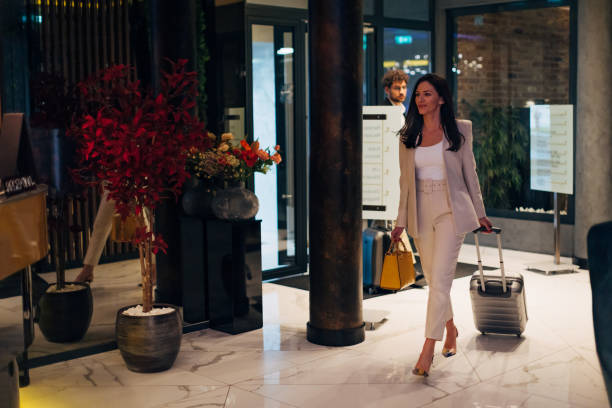

When it comes to travel, most of us have had that experience: arriving at a big chain hotel, getting the generic key card, seeing the same décor we’ve seen in ten other cities, and feeling… a little uninspired. Don’t get me wrong, chain hotels have their place—they’re convenient, predictable, and sometimes even luxurious—but they rarely offer a personal touch. That’s where boutique hotels come in. In the past decade, these smaller, design-focused, and experience-driven accommodations have been quietly transforming how we travel.
The Rise of Boutique Hotels
Boutique hotels aren’t just “small hotels.” They represent a shift in travel culture, emphasizing individuality, aesthetics, and local flavor. Unlike massive hotel chains, boutique hotels usually have fewer rooms, allowing for more personalized service. Each property tells a story, often reflecting the local culture, art, and history of its location. Think of a Parisian hotel with vintage 1920s décor or a coastal getaway in Bali with hand-carved wooden furniture and open-air courtyards. Every corner is Instagram-worthy, but more importantly, it feels authentic.
This trend is partly driven by millennial and Gen Z travelers who prioritize experiences over mere accommodations. People now want to feel like they’re living in a place, not just staying in it. Boutique hotels provide that intimacy, making guests feel less like tourists and more like temporary locals.
Personalized Experiences Over Standardized Service
One of the biggest ways boutique hotels change the travel experience is through personalization. Unlike large hotels where the staff barely knows your name, boutique hotels often remember your preferences. Maybe you prefer herbal tea over coffee, or a room with a view of the city skyline rather than the courtyard. Staff members in boutique hotels usually go out of their way to create memorable experiences, whether it’s arranging a private art tour, recommending off-the-beaten-path local restaurants, or even crafting a custom playlist for your room.
This sense of personal attention makes a big difference. Travel isn’t just about sleeping somewhere; it’s about feeling seen, understood, and catered to in small but meaningful ways. Guests often leave with stories about their hotel experience itself, not just the city they visited.
Design and Aesthetic Appeal
Another major draw of boutique hotels is their design. Unlike generic hotel rooms with beige walls and mass-produced furniture, these hotels often work with local artists and designers to create spaces that are visually striking and culturally relevant. This focus on aesthetics isn’t just about looking good—it also affects how guests feel. Walking into a thoughtfully designed room can instantly make a traveler feel calm, inspired, or excited.
Some boutique hotels are almost like living museums, with art installations, curated libraries, or unique architecture that reflect the city’s character. Even small details—like handmade soaps, custom linens, or locally sourced furniture—signal that the space has been crafted with intention rather than efficiency.
Supporting Local Culture and Communities
Staying at a boutique hotel often comes with a bonus: supporting the local economy. Many boutique properties source materials, art, and food locally, helping small businesses thrive. Some hotels even collaborate with nearby artisans for workshops or pop-up shops, giving guests a chance to engage with local culture firsthand.
This approach is radically different from global hotel chains, which often prioritize standardized operations and profits over local engagement. Travelers are increasingly aware of sustainable and socially responsible tourism, and boutique hotels fit perfectly into this mindset. By choosing a boutique property, you’re often contributing to the local community in a tangible way, which can make your travel experience feel more meaningful.
Unique Amenities and Experiences
Boutique hotels also stand out because of their unique amenities. Forget the standard gym and swimming pool—these hotels focus on offering experiences that reflect their location and ethos. You might find a rooftop herb garden where guests can pick fresh ingredients for cooking classes, or a vintage car available for city tours. Some hotels host evening wine tastings with local sommeliers or provide guided hikes in scenic nearby areas.
These extras make a stay at a boutique hotel more than just a place to sleep—they become part of your overall travel adventure. Guests are not just visiting a city; they’re actively experiencing it through carefully curated offerings.
Fostering Connection and Community
Another often-overlooked benefit of boutique hotels is the sense of community they foster. Because of their smaller size, these hotels often have communal spaces—lounges, breakfast rooms, or courtyards—where guests can meet and interact. It’s common to strike up conversations with other travelers or the hotel owner, creating connections that rarely happen in larger properties.
For solo travelers, this can be a game-changer. Instead of feeling isolated in a foreign city, boutique hotels provide opportunities to share stories, tips, or even meals with like-minded people. It’s an element of travel that chain hotels usually can’t replicate.
The Future of Travel is Boutique
While boutique hotels were once considered niche, they are increasingly shaping mainstream travel trends. Travelers now expect more than just a clean bed—they want personality, authenticity, and experiences that feel curated. Boutique hotels respond to this demand, offering stays that are memorable, meaningful, and visually stunning.
Moreover, technology has allowed boutique hotels to punch above their weight. Social media, online booking platforms, and travel review sites help these smaller properties reach global audiences, meaning you don’t have to travel to Paris or Bali to find a truly unique experience; you can often find hidden gems in your own country or city.
Conclusion
Boutique hotels have changed the travel landscape by putting experience over efficiency, personalization over standardization, and authenticity over uniformity. They invite guests to slow down, engage with local culture, and enjoy a space that feels alive, thoughtful, and unique. Whether you’re a seasoned traveler tired of the cookie-cutter hotel experience or someone looking for a more intimate stay, boutique hotels offer a refreshing alternative. In a world where travel is often reduced to itineraries and checklists, these hotels remind us that the place we stay can be as memorable as the places we visit.
Staying at a boutique hotel isn’t just about finding a room—it’s about finding a story, a vibe, and an experience that stays with you long after checkout.