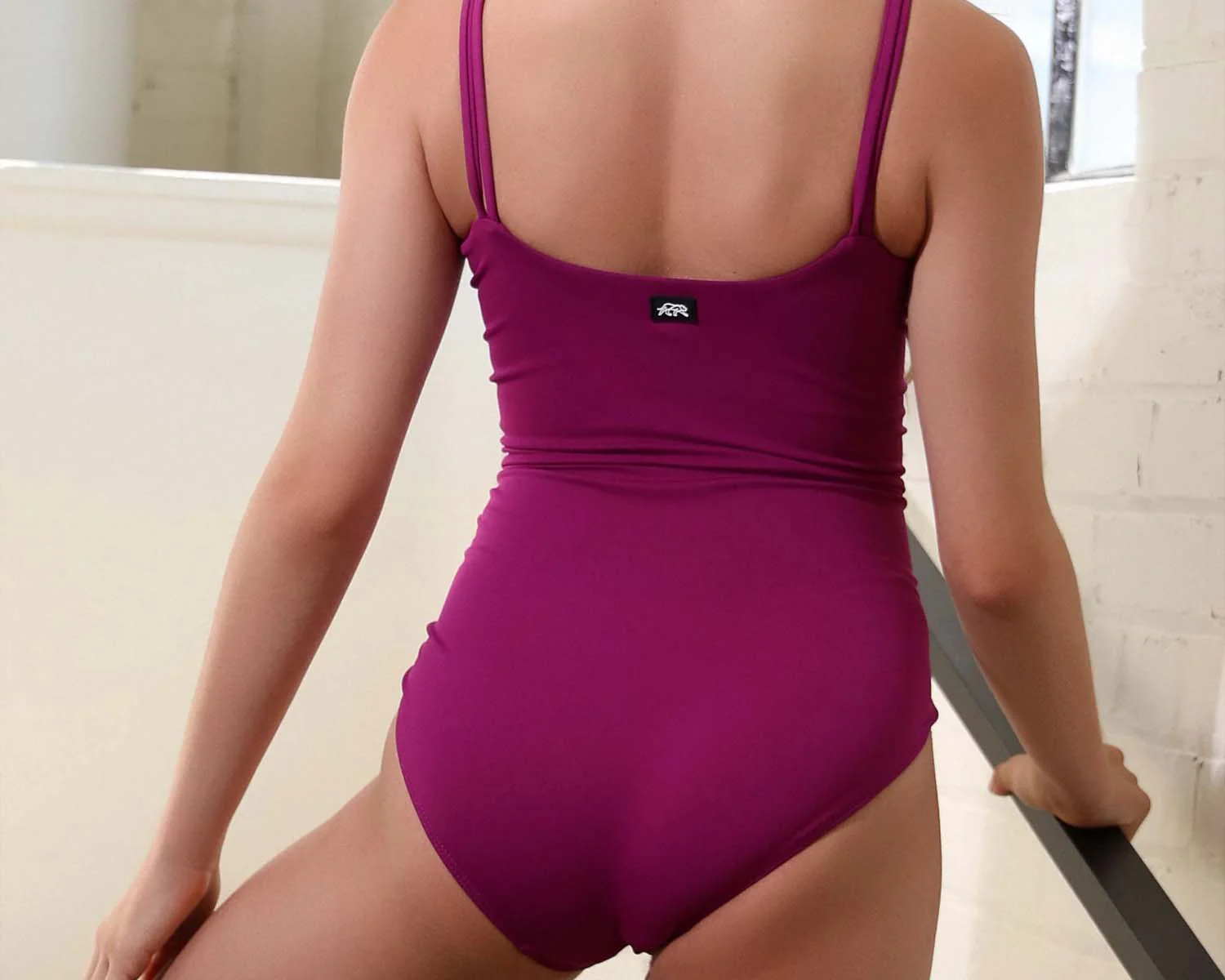

A dance convention is one of the more demanding wearable contexts in the dancer’s calendar. A typical schedule runs eight to ten hours of consecutive classes across ballet, jazz, contemporary, hip-hop, and improvisation, often with only brief breaks between rooms and limited opportunity to change between styles. The right dance convention outfits carry a dancer through that schedule without compromise, supporting movement quality across genres while remaining presentable, comfortable, and visible to faculty across crowded studio floors. Building a convention wardrobe is less about following trends and more about engineering a system of pieces that work together through a long, physically intensive day.
Understanding the Demands of a Convention Day
Conventions differ from regular studio training in three meaningful ways. First, the variety of genres taught in a single day means a dancer’s wardrobe must serve multiple styles without requiring a complete change between each. Second, the visibility factor matters: faculty teaching in rooms of one hundred or more dancers form impressions quickly, and outfits that read as deliberate and clean tend to support better attention from instructors during combinations and freestyle moments. Third, the physical workload is considerable. Sweat management, fabric recovery, and skin comfort across continuous wear become genuine performance variables rather than afterthoughts.
Building the Foundation Layer
The base of a convention outfit is typically a fitted top and a complementary bottom that can transition across genres without restriction. A high-quality fitted top with strong fabric recovery, whether a crop, a built-in bra style, or a fitted tank, provides the consistent silhouette that allows faculty to see body lines clearly. Pair this with bottoms that match the day’s most demanding style. For conventions heavy in jazz, contemporary, and lyrical, fitted shorts or briefs work well. For conventions emphasizing hip-hop or commercial, leggings or longer fitted bottoms may be preferable. High-waisted bottoms paired with cropped tops have become a near-universal convention silhouette because they stay in place through inversions, contractions, and floorwork while presenting a clean line.
Color choice on the foundation layer matters more than many dancers realize. Solid, mid-tone or jewel-tone colors photograph well, stand out in crowded studios without being distracting, and pair easily with layering pieces. All-black outfits, while popular, can disappear in dim studios and reduce visibility to faculty.
The Layering System
The dancer who arrives in a convention-ready foundation and adds or removes layers strategically through the day stays comfortable across temperature shifts, genre changes, and energy levels. A lightweight sweatshirt, oversized tee, or wrap top works as a warm-up layer at the start of each class and a cool-down layer between rooms. Loose joggers, sweatpants, or warm-up shorts pulled over the foundation bottom keep muscles warm during faculty introductions and slow combinations.
The layering pieces should be easy to remove quickly without disrupting the foundation outfit underneath. Zip or button closures, oversized cuts that pull off without catching, and minimal hardware all matter when the transition between warm-up and full movement happens within seconds.
Footwear and Accessories
Most conventions require dancers to bring jazz shoes, ballet flats or slippers, and either turners or sneakers depending on the styles offered. A small dance bag or backpack to carry footwear, water, snacks, and personal items between rooms is essential. Hair should be styled to stay secure through inversions and floorwork without requiring frequent adjustment. A clean ponytail, low bun, or braided style holds up better than loose hair through a full day of movement.
Fabric and Construction Considerations
Across every piece in a convention wardrobe, fabric choice determines how the outfit performs deep into the day. Performance synthetic blends with spandex or elastane in appropriate ratios deliver moisture management, four-way stretch, and recovery that cotton-heavy fabrics cannot match across extended wear. Flatlock seams reduce friction at high-contact points. Reinforced stitching at stress areas extends garment life through the wash cycles that follow heavy convention weekends.
Coordinating With a Studio Team
Dancers attending conventions with their studio teams often coordinate outfits to support visibility and team identity. A shared color palette, matching logo wear, or consistent silhouettes across the group help faculty identify dancers and create cohesion in callback and audition scenarios. Coordination does not require identical outfits, only intentional alignment that reads as deliberate.
A convention outfit is not a costume. It is a working uniform engineered for one of the most demanding training days a dancer will face all year. For young dancers, teens preparing for competitive seasons, parents shopping for convention-ready wardrobes, and coaches outfitting teams for major weekends, Tiger Friday designs dancewear built around the practical realities of how serious dancers train, sweat, and present themselves across the full arc of a convention day.