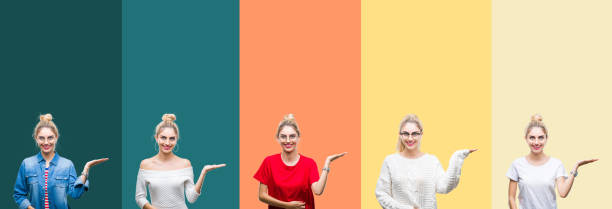

Fashion isn’t just about fabrics, cuts, or trends. A huge part of it is color. Ever noticed how you feel differently wearing a bright red dress versus a calm blue shirt? That’s not just your mood—it’s science. Color psychology, the study of how colors affect human behavior and perception, plays a huge role in what we choose to wear and why we feel a certain way in it.
The Emotional Power of Colors
Colors aren’t just visual—they’re emotional. Each shade can trigger specific feelings. For example, red is bold, passionate, and sometimes aggressive. People often wear red when they want to be noticed or convey confidence. Blue, on the other hand, brings calmness and trust. That’s why a lot of professional outfits use navy or pastel blue—it communicates reliability without shouting.
Yellow and orange are fun, energetic, and optimistic. They’re the colors of summer, laughter, and creativity. Wearing them can lift your mood and even influence how others perceive you—people might see you as approachable or cheerful. Black is sleek, elegant, and mysterious. It can make you appear sophisticated, serious, or even intimidating. Color choices are like silent messages we send without words.
Personality and Color Choices
Your personality often reflects in your wardrobe. Some people are naturally drawn to bright, vibrant colors—they’re likely outgoing, adventurous, and confident. Others prefer muted tones, earth colors, or pastels, reflecting a calmer, more introverted personality. Of course, this isn’t a strict rule. Sometimes people wear colors they normally wouldn’t just to experiment or because of a mood. But overall, fashion choices often mirror inner traits.
Interestingly, color psychology suggests that people unconsciously choose colors that align with their emotional needs. Someone stressed or anxious might pick soothing blues or greens. Someone wanting energy or attention might pick reds, yellows, or even neon shades. It’s fascinating how we can be influenced by color without even realizing it.
Cultural Influences on Color in Fashion
Culture has a huge influence on how colors are perceived. White might symbolize purity and weddings in some cultures, while in others, it’s associated with mourning. Red can symbolize luck and celebration in Asian cultures but danger or caution in Western contexts. Fashion brands often use this knowledge to market clothing in certain regions, understanding that color meaning isn’t universal.
Even in everyday fashion, cultural norms can shape what we wear. For instance, black suits and dresses dominate Western professional attire, signaling authority and sophistication. Meanwhile, in some African cultures, bold and bright colors are used daily to express personality, community, and heritage. Understanding these nuances can make fashion choices feel more intentional.
Color and Mood Regulation
One of the most practical applications of color psychology in fashion is mood regulation. Clothes aren’t just about looking good—they can affect how we feel. If you have an important presentation, wearing a color that boosts confidence like red or navy can make a subtle difference in your demeanor. If you’re feeling anxious, soft greens or blues can help calm your nerves.
Some people even use color coding in their wardrobes for emotional self-care. For example, Mondays might be for power colors like black or deep red to tackle the workweek, while weekends might call for relaxing pastels or joyful yellows. It’s a small trick, but it shows how fashion and mental state are intertwined.
The Role of Color in Fashion Trends
Trends in fashion often highlight certain colors, and this isn’t random. Trend forecasting considers cultural moods, seasons, and even global events. For example, after periods of economic uncertainty, fashion often shifts to comforting colors—soft neutrals, muted blues, or earthy tones. During energetic, optimistic times, bright and bold colors become popular.
Fashion designers play with color psychology to influence how collections are received. A spring collection might use pastels to evoke freshness and renewal, while a winter line might focus on rich, warm hues for comfort and coziness. Even if we don’t consciously think about it, color affects our desire to buy and wear certain outfits.
Personal Branding Through Color
Color in fashion isn’t just about personal expression—it’s also a tool for branding yourself. Whether in professional settings or social media, the colors you consistently wear send signals about who you are. People often associate consistent color choices with confidence, creativity, or authority.
Think of celebrities and influencers—they often have signature colors. Lady Gaga is known for bold, eccentric choices. Steve Jobs stuck to his classic black turtleneck and jeans. Both are examples of how color becomes part of personal identity and perception.
Practical Tips for Choosing Colors
Understanding color psychology doesn’t mean you have to overhaul your wardrobe. Start small: notice how certain colors make you feel and how others react to you in them. Mix and match colors that balance your emotions and personal style. Pay attention to context—formal settings may require subdued colors, while casual outings can be more playful.
Also, experiment. Sometimes a color you never considered might surprise you in how it affects your mood or confidence. The key is awareness. Once you understand the subtle messages your colors send, fashion becomes not just about appearance but communication, mood, and even personal power.
Conclusion
Fashion is much more than style—it’s a language of color. Color psychology helps explain why we choose what we wear and how it affects our emotions and the way others perceive us. By being conscious of color choices, we can use fashion to boost confidence, express personality, and even influence mood. Next time you pick an outfit, consider not just how it looks, but how its colors make you feel—and how they make the world see you.